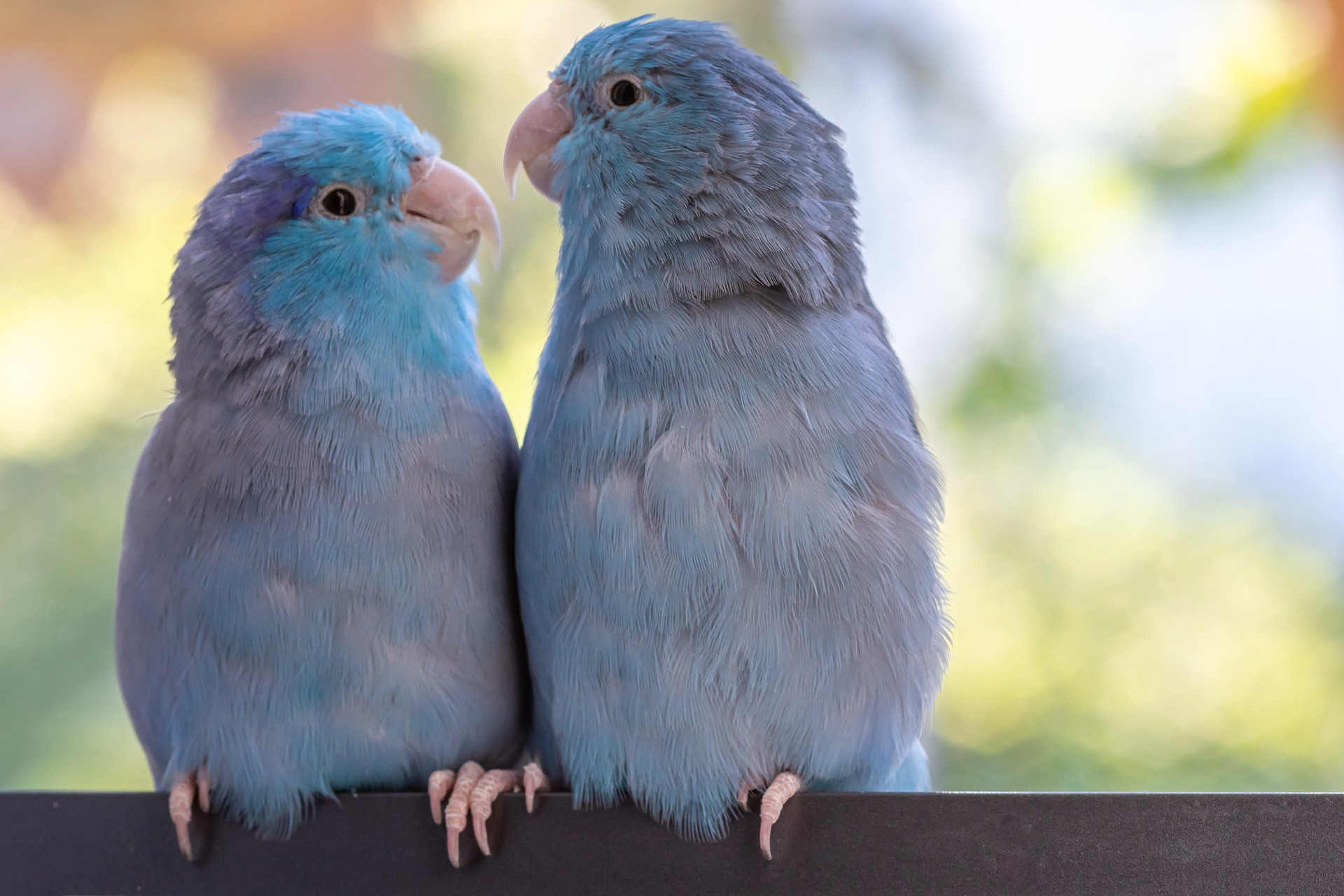
In this article, we will cover all different aspects of the Parrotlet parrot including the diet, care and nutrition and the parrotlet lifespan.
The Parrotlet Parrot is a lively and vibrant companion best described as a miniature macaw. Native to the tropical rain forests of South and Central America, the parrotlet parrot is about 6 inches long and about half this length from head to tail. These birds love perching high atop bird cages. Their bodies are primarily green with light blue cheeks and throats, which makes them even more popular in pet markets. Let’s see more about Parrotlet Parrot.
Bird Species
The parrotlet (Forpus passerines) is a species of parrot in the family Psittacidae. It is one of the most popular pet birds but is not commonly kept in aviculture because it is tough to breed in captivity. Parrotlets are native to the Andes Mountains region of Peru and Ecuador. There are three subspecies, Forpus passerines (typical), F. p. niger (black-winged), and F. p. iris (blue-winged).
The parrotlet is a small parrot that weighs about 30 g (1 oz) with a length of 5 cm. The male’s plumage can be green, yellow, or blue, while the females is duller than the male’s, with more yellow on her underparts and head.
If you are looking to buy a parrotlet, check out this link to BirdsNow.com
Typical Lifespan of the Bird
Parrotlets are a small parrot species native to the coastal regions of South America. They are relatively small and stocky birds with short, blunt tails and short, rounded wings. The average Lifespan of parrotlet is 15-20 years. There is no difference between male and female parrotlets except for size and coloration, which makes them easier to tell apart when they are infants. It can take up to 4 months for these birds to mature into adult feathers, so their gender will not be known until this period has passed.
One of the most critical factors in extending your parrotlet lifespan is having an adequate aviary. You can either purchase one or build your own aviary, customized to your own personal space and preference.
Typical Size (Wingspan, Length, Weight)
A parrotlet’s wingspan averages about 8 inches, and the average length is about 6 inches. The smallest parrotlet is the Pacific parrotlet, which has a wingspan of 4 inches. The largest parrotlet is the cockatiel, with a wingspan of 10 inches. There are two types of parrotlets: blue and green-rumped parrotlets. The green-rumped parrotlet typically weighs between 20 and 30 grams, while the blue-rumped parrotlet weighs between 18 and 28 grams.
The Personality of a Parrotlet Bird
A parrotlet bird’s personality is unique because they have so many characteristics that make them different from other types of birds. They are very friendly and enjoy getting attention from humans, but they also have their unique way of showing affection toward humans. These tiny birds love being around humans so much that they get confused and upset when you go somewhere without taking them with you!
Food/Care of the Parrotlet Parrot
Parrotlets are tiny, active birds that require a balanced diet of fresh fruits, vegetables, seeds, and nuts. They do not eat dry seeds or pellets. Also, check out our guide on how to care for your pet bird.
Parrotlet Diet
The diet of the parrotlet should be made up of various foods, including fresh fruit and vegetables, seeds, and nuts. These birds will also enjoy some cooked eggs and cottage cheese. It is essential to provide your parrotlet with plenty of fresh water.
Fresh Fruit and Vegetables
Fresh fruit and vegetables are an essential part of your parrotlet’s diet. Good choices include apples, pears, bananas, grapes, carrots, and green beans. Avoid giving your parrotlet foods high in salt or fat, such as potato chips or french fries.
Seeds and Nuts
Seeds are an excellent source of protein for your parrotlet; however, they can be challenging to digest, so it is best to soak them overnight before feeding them to your bird. You should also avoid giving them whole sunflower seeds as these may cause choking hazards for little birds like parrotlets. Nut butter, such as peanut butter, is also a good source of nutrition for these tiny birds.
Wrapping Up
The parrotlet is a beautiful, tiny parrot that’s perfect as a companion bird. Before adding one to your life, you should know what you’re getting into. These tiny birds can be loud and quickly become spoiled by their owners. We’ve outlined all the details to help make sure your parrotlet is cared for properly, so you can live happily together. By following these tips you can extend the parrotlet lifespan by several years.